【聊了什么】
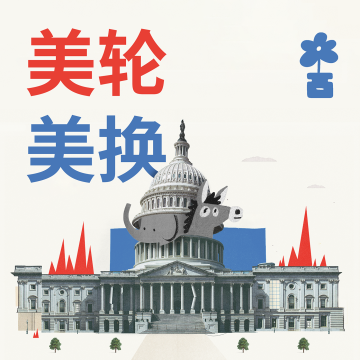
特朗普总统的第二任期已经过去了一年,在这一年之中,美国政治是一如既往的精彩。特别是特朗普本人,不管是在内政还是外交上,都以一种不可置疑的方式,不停地发出各种指令,改变着美国。更重要的是这一系列的操作似乎并没有受到太大的阻力。如今他看起来并不是民选国家的领导人,更像是一个专制独裁国家的君主,不受到任何的约束。
为什么会出现这样的情况?这是只会发生在特朗普身上的个例,还是背后有着更深层次的原因。为什么美国总统们的权力会越来越大,民主党和共和党对于总统制的理解有何不同。为什么对于特朗普的反制措施都没有取得效果。本期节目,我们从小阿瑟•M.施莱辛格《帝王总统》出发,来试图给这一系列的问题作出解答。
本期节目为talich在《以读攻读》的串台,欢迎在各平台关注《以读攻读》。
【支持我们】
如果喜欢这期节目并希望支持我们将节目继续做下去:
也欢迎加入我们的会员计划: https://theamericanroulette.com/paid-membership/
会员可以收到每周2-5封newsletter,可以加入会员社群,参加会员活动,并享受更多福利。
合作投稿邮箱:[email protected]
【时间轴】
04:39 今天有多少美国人觉得特朗普的权力过大了
05:59 美国国父们设计总统制的初衷
09:37 总统制与当时其他国家领袖制度的对比
13:14 美国制宪会议上如何划分总统的权力
19:03 美国总统为什么想要扩张自己的权力
22:20 为什么外交领域成为了总统扩权的突破口
26:54 20世纪,美国成为行政国家的过程
33:18 行政国家的形成为什么给了总统更大的权力
37:32 总统竞选模式的改变导致了总统候选人有了更大的话语权
42:08 罗斯福和尼克松是如何扩张总统的权力
54:15 总统如何通过任命政务官加强自己权力
58:12 美国各界对于总统扩权的态度
1:01:05 Loper 案推翻 Chevron Deference
1:02:00 政治科学家对于总统权力的看法
1:11:45 70年代开始,共和党开始推行的“单一行政权理论”
1:16:33 法律上的原教旨主义如何支持“单一行政权理论”
1:30:19 美国政治中的总统周期理论
1:36:36 特朗普政府如何通过实践扩大自己的权力(针对法院的策略等)
1:40:05 “帝王总统制”的未来走向
1:51:01 选民认知对未来美国政治走势的影响
【我们是谁】
美轮美换是一档深入探讨当今美国政治的中文播客。
我们的主播和嘉宾:
Talich:美国政治和文化历史爱好者
《以读攻读》主播: 黄哲成:《现代主义文学百年》《深焦 DeepFocus Radio》《以读攻读》主播
【 What We Talked About】
It has been one year since the start of President Trump's second term, and American politics has been as dramatic as ever. Trump himself, in particular, has been reshaping the United States—both domestically and internationally—by issuing directives with an air of absolute authority. More importantly, these actions seem to have met with little significant resistance. Today, he appears less like the leader of a democracy and more like the monarch of an autocratic regime, operating without restraint.
Why is this happening? Is this a phenomenon unique to Trump, or are there deeper underlying causes? Why has the power of the U.S. presidency continued to expand? How do Democrats and Republicans differ in their understanding of the presidential system? And why have all attempts to check Trump's power failed to result in any change? In this episode, taking Arthur M. Schlesinger Jr.'s The Imperial Presidency as our starting point, we attempt to answer these questions.
Note: This is a crossover episode featuring talich on Yi Du Gong Du. Please follow "Yi Du Gong Du" on your favorite podcast platforms.
【Support Us】
If you like our show and want to support us, please consider the following:
Join our membership program: https://theamericanroulette.com/paid-membership/
Support us on Patreon: www.patreon.com/americanroulette
Business Inquiries and fan mail: [email protected]
【Timeline】
04:39 How many Americans today believe Trump has too much power?
05:59 The Founding Fathers' original intent in designing the presidency.
09:37 Comparing the presidency to other leadership systems of that era.
13:14 How presidential powers were defined at the Constitutional Convention.
19:03 Why U.S. presidents seek to expand their power.
22:20 Why foreign policy became the gateway for expanding presidential authority.
26:54 The 20th Century: The process of America becoming an "Administrative State."
33:18 Why the rise of the Administrative State empowered the presidency.
37:32 How changes in campaigning increased the influence of presidential candidates.
42:08 How Roosevelt and Nixon expanded presidential power.
54:15 Strengthening power through political appointments.
58:12 Reactions across various sectors to the expansion of executive power.
1:01:05 Loper Bright and the overturning of Chevron deference.
1:02:00 Political scientists' views on presidential power.
1:11:45 The "Unitary Executive Theory" pushed by the Republican Party since the 1970s.
1:16:33 How legal Originalism supports the "Unitary Executive Theory."
1:30:19 The theory of presidential cycles in American politics.
1:36:36 How the Trump administration expanded power through practice (strategies against the courts, etc.).
1:40:05 The future trajectory of the "Imperial Presidency."
1:51:01 The impact of voter perception on the future of U.S. politics.
【Who We Are】
The American Roulette is a podcast dedicated to helping the Chinese-speaking community understand fast-changing U.S. politics.
Our Hosts and Guests:
Talich:Aficionado of American politics, culture, and history
Host of Yi Du Gong Du: Huang Zhecheng: An interesting but useless person, doing interesting but useless things. (Douban: @hzcneo)